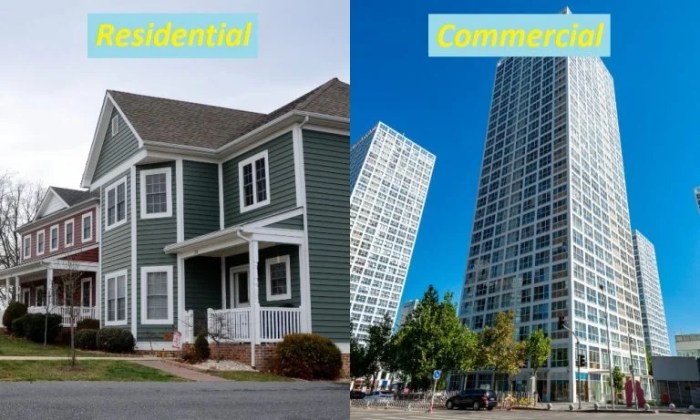
Residential vs commercial design highlights the fascinating contrasts between these two realms of architecture and interior aesthetics. Each design discipline serves distinct purposes and audiences, shaping the environments where we live and work. As we dive into their unique principles and applications, we discover how they influence not just structures but the way we experience space itself.
Residential design focuses on creating cozy, functional homes that reflect personal tastes and lifestyles, while commercial design emphasizes branding and efficiency in business environments. Understanding the intricacies of both can unlock new perspectives on how we interact with our surroundings, paving the way for innovative design solutions.
Overview of Residential Design
Residential design focuses on creating spaces that cater to the needs and lifestyles of individuals and families. The fundamental principles of residential design revolve around aesthetics, functionality, and comfort, ensuring that spaces are not only visually appealing but also practical for everyday living. Aesthetic considerations include the choice of colors, materials, and layouts that create a harmonious environment, while functionality addresses the usability of spaces and how they accommodate the activities of daily life.
Key elements that differentiate residential design from other types include the emphasis on personal expression and customization. Unlike commercial spaces, residential design often allows for a deeper emotional connection, reflecting the personality and preferences of the inhabitants. This aspect is crucial in fostering a sense of belonging and comfort within the home.
Overview of Commercial Design
Commercial design encompasses the planning and execution of spaces used for business purposes. The core aspects of commercial design include creating functional and efficient layouts that enhance the user experience while aligning with business goals. This form of design prioritizes branding and business identity, making it vital for creating an environment that resonates with clients and customers. The importance of branding in commercial spaces cannot be understated; it plays a pivotal role in forming first impressions and establishing a company’s reputation.
Different requirements and regulations apply to commercial design compared to residential projects, including zoning laws, safety codes, and accessibility standards, which must be rigorously adhered to ensure compliance and functionality.
Key Differences between Residential and Commercial Design
When comparing residential and commercial design, one can notice distinct differences in target audiences and user experiences. Residential design caters primarily to families and individuals seeking comfort, privacy, and personalization, while commercial design serves a broader public audience, aiming to facilitate interaction and engagement.The scale and complexity of projects also vary significantly. Residential projects are often smaller in scale and can involve more nuanced, customized elements, while commercial projects tend to be larger and require a more systematic approach to design and construction.
The materials and construction methods used in both categories are influenced by these factors; for instance, commercial spaces frequently use more durable and sustainable materials to withstand higher traffic and usage.
Financial Aspects of Design
Understanding how business accounting principles apply to design projects is essential for effective financial management. Key considerations include budgeting, cost estimation, and financial forecasting to ensure the project stays within the financial limits and delivers expected returns. Proper accounting practices also help design firms manage payroll effectively, a crucial aspect in maintaining employee satisfaction and productivity.Budgeting has a direct impact on project scope, particularly when comparing residential to commercial design.
Residential projects often have more flexibility regarding budget adjustments, whereas commercial projects typically adhere to stricter financial constraints due to their larger scale and the potential for higher financial risk.
Marketing and Branding Strategies
Effective advertising is crucial in the design industry for attracting clients. Design firms employ various methods, including digital marketing, social media campaigns, and networking events, to promote their services. Business branding plays a significant role in drawing clients to both residential and commercial projects. A strong brand identity enhances trust and recognition, making it easier for potential clients to choose a design firm.Integrating design services into business travel promotions can also be an innovative strategy for reaching new clients.
By showcasing design expertise at industry events or through collaborations with travel agencies, firms can expand their client base and visibility.
Sustainability in Design
Sustainable practices are becoming increasingly significant in both residential and commercial design. They not only address environmental concerns but also enhance the quality of life for occupants. In residential projects, sustainability often focuses on energy-efficient designs and eco-friendly materials, while commercial design may prioritize sustainable sourcing and large-scale energy-efficient systems.The role of business agriculture in sourcing materials for eco-friendly projects is gaining traction, with many firms opting for locally sourced, sustainable materials to reduce their carbon footprint.
Innovations in technology, such as smart building systems and green construction techniques, further promote sustainability in the construction industry, leading to more efficient and eco-conscious designs.
Architectural and Interior Design Principles
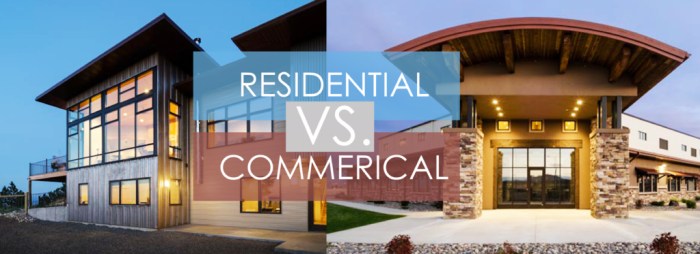
Architectural design elements specific to residential projects include attention to natural light, space planning, and integration of outdoor spaces. These factors contribute to the overall ambiance and functionality of a home. In contrast, interior design strategies for commercial needs often revolve around creating versatile, attractive, and accessible spaces that cater to various business functions. Space planning techniques differ as well; residential designs focus on creating intimate and personal environments, while commercial designs prioritize flow and accessibility to accommodate larger groups of people.
Human Resources in Design Firms
Human resources management is crucial in design businesses, as it directly impacts the quality of design projects. Key roles within design firms include project managers, designers, and administrators, each contributing to successful project outcomes. Effective collaboration among design teams fosters creativity and innovation, ultimately enhancing the firm’s overall productivity.Strategies for fostering a collaborative work environment include regular team meetings, open communication channels, and team-building activities, which help build trust and enhance teamwork.
Project Management Approaches
Change management strategies are vital in design projects to adapt to unforeseen challenges and requirements. Identifying the stages of project management, from initiation to closure, helps streamline processes and improve overall project efficiency, especially in distinguishing between residential and commercial design projects.The importance of continuity disaster recovery plans in large-scale design projects cannot be overlooked. Such plans ensure that projects can continue smoothly in the event of disruptions, safeguarding both time and resources.
Customer Service in Design
Enhancing customer service in residential design projects is essential for client satisfaction and retention. Best practices include maintaining open communication, providing regular updates, and being responsive to client feedback. Commercial design presents unique customer service challenges, often involving multiple stakeholders and a focus on meeting strict deadlines. Identifying effective methods to gather client feedback, such as surveys or follow-up meetings, can help design firms improve their services and foster long-term relationships.
Entrepreneurialism in Design
Entrepreneurialism plays a significant role in launching successful design firms. Designers who transition into entrepreneurship must possess a mix of creative skills and business acumen to navigate the complexities of the industry. Franchising opportunities within the design industry provide a pathway for designers seeking to expand their businesses while leveraging established brand recognition. Key traits of successful designers include adaptability, strong leadership qualities, and a commitment to continuous learning and growth.
Furnishings and Supplies
Selecting furnishings that complement residential design involves considering aesthetics, functionality, and comfort. Designers often opt for pieces that reflect the homeowner’s style while ensuring practicality for daily use.Sourcing supplies for commercial design projects requires a balance between quality and cost-effectiveness. Designers must navigate supplier relationships to secure materials that meet both budgetary and business needs. Trends in furnishings, such as sustainable materials and multifunctional pieces, are shaping both residential and commercial spaces, influencing design decisions.
Employment Trends in Design
The design industry is continually evolving, with new careers and employment opportunities emerging as technology advances. Current trends highlight the importance of digital skills, such as proficiency in design software and understanding of virtual reality in architecture and interior design.The impact of technology on career paths in the design sector is profound, as it shapes how designers create, present, and execute their projects.
Skills that are increasingly in demand include sustainability knowledge, project management capabilities, and expertise in innovative design solutions tailored to both residential and commercial sectors.
Last Word
In conclusion, the distinction between residential and commercial design is not just a matter of aesthetics; it encompasses a broad range of principles, practices, and purposes that affect our daily lives. Whether you’re a homeowner looking to enhance your living space or a business owner aiming to create an inviting atmosphere for clients, recognizing these differences can guide you in making informed design choices.
Ultimately, both fields offer unique opportunities for creativity and impact in our communities.
User Queries
What is the primary focus of residential design?
The primary focus of residential design is to create functional and aesthetically pleasing living spaces tailored to the needs and preferences of individuals or families.
How does commercial design differ from residential design?
Commercial design is centered around branding, user experience, and functionality for business environments, while residential design prioritizes personal comfort and lifestyle.
What are some common materials used in residential and commercial design?
Residential design often utilizes materials like wood and textiles, whereas commercial design might use more durable materials such as metal, glass, and concrete.
What role does sustainability play in both design sectors?
Sustainability is increasingly important in both sectors, with an emphasis on eco-friendly materials and practices that minimize environmental impact.
How can branding influence commercial design?
Branding influences commercial design by guiding the choice of colors, layouts, and materials to create a cohesive identity that resonates with target customers.