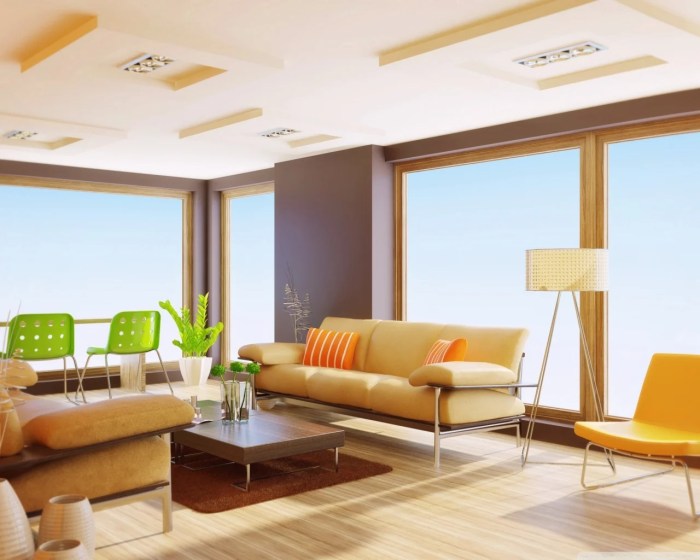
Modern interior design ideas breathe new life into spaces, blending aesthetics with functionality to create environments that resonate with contemporary living. As we explore the latest trends, materials, and technologies, you’ll discover how these elements come together to redefine comfort and style in our homes.
From innovative color palettes to multifunctional layouts, modern design prioritizes both beauty and practicality. Whether you’re searching for ways to maximize small spaces or interested in sustainable practices, there’s something in the world of modern interior design that can transform any area into a stylish haven.
Modern Interior Design Trends
Modern interior design continues to evolve, incorporating the latest trends that define contemporary spaces. Understanding these elements is crucial for creating inviting and stylish homes that resonate with today’s aesthetic preferences.
Latest Color Palettes
Neutral tones paired with bold accents have become a hallmark of modern design. Popular color palettes often include soft whites, grays, and beiges, complemented by vibrant hues like emerald green, navy blue, and terracotta. These colors create a serene backdrop while allowing for splashes of vibrancy and personality through decor.
Trending Materials
Contemporary interiors often feature a mix of natural and industrial materials. Key materials trending right now include:
- Wood: Sustainable wood finishes, especially in lighter tones, are favored for their warmth and versatility.
- Metal: Incorporating elements of brass, steel, and aluminum adds a modern edge.
- Glass: Large glass panels or decorative glass elements enhance natural light and create a feeling of openness.
Key Furniture Styles
The furniture in modern interiors often leans towards:
- Minimalism: Simple, streamlined pieces that emphasize functionality.
- Scandinavian: Functional yet stylish designs with a focus on comfort, often using natural materials.
- Mid-Century Modern: Retro pieces with organic shapes and vibrant colors that add character.
Functional Spaces in Modern Design
Creating functional spaces is essential in modern design, especially in urban settings where space is often limited. The layout and planning of living areas can greatly enhance their usability.
Multifunctional Living Room Layout
A modern living room can serve multiple purposes through thoughtful design. Consider incorporating:
- Convertible furniture: Sofas that transform into beds or coffee tables with storage.
- Defined zones: Use rugs or lighting to distinguish areas for relaxation, work, and entertainment.
- Integrated technology: Smart TVs and sound systems that blend seamlessly with decor.
Open Floor Plans
Open floor plans are at the forefront of modern design, promoting interaction and flow between spaces. The advantages include:
- Enhanced communication: Family members can interact easily across the space.
- Increased natural light: Fewer walls mean more light can filter through.
- Flexibility: The layout can be easily altered to suit different needs.
Maximizing Small Spaces
Making the most of small spaces involves clever design choices. Here are some tips:
- Use vertical space: Install shelves and cabinets that extend to the ceiling.
- Light colors: Choose lighter shades for walls and furnishings to create an illusion of space.
- Multi-purpose furniture: Opt for pieces that serve more than one function, like ottomans with storage.
Incorporating Technology in Interior Design
Technology plays a crucial role in modern interior design, enhancing both aesthetics and functionality. Smart innovations can transform traditional spaces into modern havens.
Smart Home Technology
Integrating smart home technology involves using devices that enhance convenience and efficiency. Examples include:
- Smart thermostats: These enable energy-efficient heating and cooling based on user habits.
- Smart lighting: Adjustable lighting systems can create ambiance and enhance security.
- Home automation systems: Control various home functions through a centralized app, integrating everything from audio to window shades.
Innovative Lighting Solutions
Contemporary homes benefit from innovative lighting that not only serves a function but also acts as a design element. Notable solutions include:
- LED strips: Used for accent lighting under cabinets or along ceilings.
- Smart bulbs: Allow for customization of brightness and color to fit different moods.
- Statement fixtures: Bold chandeliers or sculptural lamps can serve as focal points.
Augmented Reality in Design Planning
Augmented reality (AR) is revolutionizing the interior design planning process. Methods for utilizing AR include:
- Virtual walkthroughs: Clients can visualize spaces before construction begins, ensuring satisfaction with layouts.
- Design previews: Experiment with colors, textures, and furniture placements in a virtual setting.
- Enhanced collaboration: Designers can share immersive experiences with clients and stakeholders, streamlining decision-making.
Sustainable Modern Design
Sustainability is becoming increasingly important in modern design, with a focus on creating environments that are eco-friendly and resource-efficient.
Sustainable Materials
Utilizing sustainable materials is essential in modern design as they reduce environmental impact. Key materials include:
- Bamboo: A rapidly renewable resource used in flooring and furniture.
- Recycled materials: Glass, metal, and plastics can be repurposed for new applications.
- Low-VOC paints: These paints improve indoor air quality and reduce harmful emissions.
Energy-Efficient Design Strategies
Energy-efficient strategies are vital for new homes, promoting sustainability while reducing utility costs. These strategies include:
- Proper insulation: Ensures energy retention and comfort throughout the year.
- Energy-efficient windows: Double or triple-glazed windows minimize heat loss.
- Renewable energy sources: Solar panels and geothermal systems provide clean energy alternatives.
Creating a Green Indoor Environment
To foster a healthier indoor environment, consider:
- Indoor plants: Improve air quality and add life to spaces.
- Natural lighting: Maximize window placements to reduce reliance on artificial light.
- Air quality monitoring: Use devices to track indoor air quality and ensure a healthy living space.
Business Aspects of Interior Design
Understanding the business side of interior design is critical for success in this competitive field. Key considerations should guide aspiring interior design firms.
Establishing an Interior Design Business
When starting an interior design business, several factors must be considered:
- Business structure: Decide whether to operate as a sole proprietorship or LLC.
- Licensing: Ensure compliance with local regulations and obtain necessary permits.
- Networking: Building relationships with suppliers and contractors can lead to new opportunities.
Accounting Practices for Design Firms
Implementing sound accounting practices is essential for financial health:
- Budgeting: Create detailed budgets for projects to track expenses and profits.
- Invoicing: Develop a clear invoicing system to ensure timely payments from clients.
- Tax compliance: Maintain accurate records to simplify tax preparation and avoid penalties.
Marketing Strategy for Design Services
Promoting modern interior design services requires a comprehensive marketing strategy that includes:
- Online presence: Develop a professional website and utilize social media for outreach.
- Portfolio showcase: Display completed projects to attract potential clients and demonstrate expertise.
- Networking events: Attend industry events to connect with potential clients and industry partners.
Role of Branding in Interior Design
Branding is a critical component in establishing a successful interior design business, helping to create a recognizable identity.
Developing a Unique Brand Identity
Creating a distinctive brand identity involves:
- Logo design: A memorable logo that encapsulates the essence of the business.
- Consistent messaging: Establishing a tone and voice that reflects the brand across all communications.
- Visual elements: Utilizing a cohesive color scheme and typography in marketing materials.
Impact of Social Media on Branding
Social media significantly influences interior design branding by:
- Engagement: Building a community through interaction and feedback.
- Showcasing work: Sharing images of projects that highlight design expertise and creativity.
- Influencer partnerships: Collaborating with influencers can boost visibility and credibility in the market.
Successful Branding Examples
Several interior design brands have effectively established themselves in the industry:
- Studio McGee: Known for its signature style and strong social media presence.
- Kelly Wearstler: A luxury brand that combines bold aesthetics with high-end design.
- Amber Interiors: Recognized for its distinct California style and curated collections.
Client Consultation and Customer Service
Effective client consultation and customer service practices are vital for successful project execution and client satisfaction.
Conducting Client Consultations
Best practices for client consultations include:
- Active listening: Understanding client needs and preferences is crucial for successful outcomes.
- Setting expectations: Clearly communicating the design process and timelines helps build trust.
- Personalized solutions: Tailoring designs to fit individual client lifestyles ensures satisfaction.
Importance of Customer Feedback
Collecting and implementing customer feedback helps improve design services by:
- Identifying areas for improvement: Client insights can highlight aspects needing refinement.
- Enhancing client relationships: Demonstrating responsiveness to feedback strengthens trust.
- Boosting referrals: Satisfied clients are more likely to recommend services to others.
Maintaining Professional Relationships
To maintain a professional relationship with clients:
- Regular communication: Keep clients informed throughout the design process.
- Conflict resolution: Address any issues promptly to prevent escalation.
- Post-project follow-up: Checking in after project completion fosters long-term relationships.
Interior Design and Architecture

The relationship between architecture and interior design is symbiotic, with each discipline influencing the other significantly.
Relationship Between Architecture and Interior Design
Architecture provides the framework within which interior design operates. Key interactions include:
- Spatial planning: Interior designers analyze architectural layouts to optimize functionality.
- Material selection: The choice of materials in architecture impacts interior finishes and aesthetics.
- Integration of systems: Collaboration ensures that electrical and plumbing systems meet design needs.
Collaboration with Architects
Effective collaboration with architects involves:
- Regular meetings: Ensuring alignment on design vision and project scope.
- Shared documentation: Utilizing shared platforms for design revisions and feedback.
- Mutual respect: Recognizing the expertise of each discipline fosters productive teamwork.
Architectural Styles Influencing Interior Design
Various architectural styles significantly influence interior design choices, including:
- Modernism: Emphasis on functionality and simplicity.
- Art Deco: Bold colors and geometric patterns that add glamour.
- Industrial: Raw materials and open spaces that enhance urban aesthetics.
Trends in Furnishings and Supplies
The furnishings and supplies chosen for modern interiors greatly contribute to the overall design aesthetic and functionality.
Popular Furnishings
Popular furnishings that complement modern design aesthetics include:
- Sleek sofas: Low-profile designs that emphasize clean lines.
- Statement chairs: Unique pieces that serve as focal points in a room.
- Modular systems: Furniture that can be rearranged for different uses and spaces.
Role of Textiles
Textiles play a crucial role in creating a cohesive interior design:
- Layering: Combining various textures adds depth and interest.
- Color harmony: Textiles should complement the overall color palette.
- Durability: Choosing high-quality fabrics ensures longevity and ease of maintenance.
Sourcing Sustainable Supplies
Sourcing sustainable supplies is necessary for eco-friendly projects. Consider these approaches:
- Local suppliers: Reduces transportation emissions and supports the community.
- Reclaimed materials: Salvaged wood and vintage furnishings add character.
- Certifications: Look for products with environmental certifications to ensure sustainability.
Career Paths in Interior Design
The interior design field offers various career opportunities that cater to different interests and skills.
Career Opportunities
Various career paths in interior design include:
- Residential designer: Focuses on creating personalized living spaces for clients.
- Commercial designer: Works on larger projects like offices and retail spaces.
- Interior stylist: Specializes in creating visually appealing spaces for photography and media.
Essential Skills for Success
To thrive in the interior design field, essential skills include:
- Creativity: The ability to generate innovative design ideas.
- Technical knowledge: Understanding building codes and technical drawings.
- Communication: Effectively conveying design concepts to clients and contractors.
Importance of Ongoing Education
Ongoing education and certification are vital in this evolving field:
- Staying updated: New trends and technologies emerge regularly, requiring continual learning.
- Professional certification: Enhances credibility and demonstrates expertise.
- Networking opportunities: Attending workshops and seminars can lead to valuable connections.
Construction Industry Considerations
Collaboration between interior designers and contractors is integral to the success of design projects.
Collaboration Process with Contractors
The collaboration process involves:
- Clear communication: Establishing open lines of communication to ensure alignment on project goals.
- Project timelines: Coordinating schedules to meet deadlines and avoid delays.
- Regular site visits: Monitoring progress and addressing issues as they arise enhances workflow efficiency.
Impact of Construction Timelines
Construction timelines impact design projects significantly:
- Project delays: Understanding that delays can affect overall design and budget.
- Phased implementations: Planning design elements in phases can help manage timelines effectively.
- Flexibility: Being adaptable to changes in timelines is essential for successful project completion.
Managing Design Changes
Managing design changes during construction phases involves:
- Documentation: Keeping detailed records of changes to ensure clarity and accountability.
- Client communication: Keeping clients informed about changes and their implications.
- Budget adjustments: Ensuring any design changes align with the overall project budget.
Last Point
In summary, embracing modern interior design ideas not only enhances the visual appeal of your space but also fosters a functional and eco-friendly environment. As you experiment with different styles and technologies, remember that the essence of modern design lies in creating spaces that reflect your personality while meeting your lifestyle needs.
Key Questions Answered
What are the key elements of modern interior design?
Key elements include clean lines, minimalism, functional furniture, and a neutral color palette with bold accents.
How can I incorporate technology into my home design?
Smart home devices, innovative lighting solutions, and augmented reality tools can enhance both design and functionality.
What are some sustainable materials for modern interiors?
Materials such as bamboo, recycled metal, reclaimed wood, and low-VOC paints are popular choices for eco-friendly designs.
How do I maximize a small space using modern design?
Utilizing multifunctional furniture, open floor plans, and clever storage solutions can effectively maximize small living areas.
Why is branding important in interior design?
Branding helps establish a unique identity, attract clients, and communicate your design philosophy effectively.