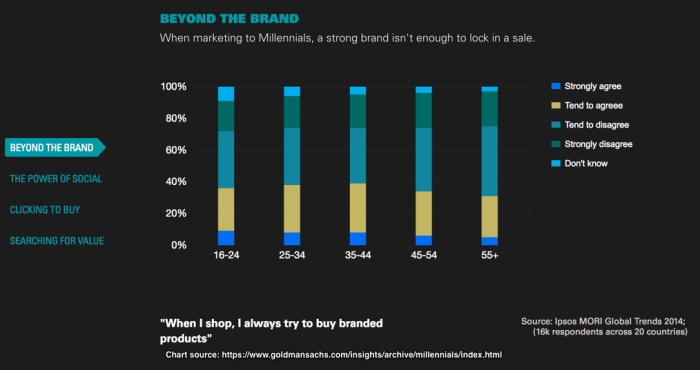
Brand awareness campaigns serve as a pivotal element in the marketing landscape, helping businesses connect with consumers on a deeper level. By elevating a brand’s visibility and recognition, these campaigns create lasting impressions that can significantly influence buying decisions. From innovative digital strategies to traditional advertising, the approaches to enhancing brand awareness are diverse and increasingly essential in today’s competitive market.
Understanding the nuances of brand awareness is crucial for organizations aiming to build a loyal customer base. This involves not just knowing your audience, but also implementing effective strategies that resonate with them. A well-executed brand awareness campaign can transform a company’s market presence, setting the stage for long-term success.
Understanding Brand Awareness
Brand awareness is a critical concept in marketing that refers to the extent to which consumers recognize and recall a brand. It plays a significant role in consumer decision-making, as higher brand awareness often correlates with increased trust and familiarity. When consumers are aware of a brand, they are more likely to choose it over competitors, making brand awareness a vital component of any marketing strategy.There are different levels of brand awareness, ranging from brand recognition, where consumers can identify a brand among competitors, to brand recall, where consumers can mention the brand without any cues.
Each level impacts consumer behavior differently; for instance, brands with high recognition and recall typically enjoy greater consumer loyalty and willingness to pay premium prices. Successful brand awareness campaigns can be seen in various industries, such as Nike’s “Just Do It” campaign, which not only promoted the brand but also fostered a powerful emotional connection with its audience.
Different Levels of Brand Awareness
Understanding the various levels of brand awareness can provide insights into consumer behavior. The levels include:
- Brand Recognition: This is the first stage where consumers can identify a brand when they see it, such as through logos or packaging.
- Brand Recall: At this level, consumers can remember the brand without any prompts, which indicates stronger brand presence in their minds.
- Top-of-Mind Awareness: This is when a brand is the first that comes to mind when consumers think about a specific industry or product category.
- Brand Loyalty: This indicates a deeper emotional connection where consumers prefer one brand over others consistently.
Successful campaigns like Coca-Cola’s “Share a Coke” leveraged personalized labels to enhance brand recognition and recall, significantly boosting sales and customer engagement.
Strategies for Effective Brand Awareness Campaigns
Implementing a successful brand awareness campaign requires strategic planning and execution. Here are key strategies that can be adopted:
- Social Media Engagement: Utilize platforms like Instagram and Facebook to interact directly with consumers, showcase products, and build community.
- Content Marketing: Creating valuable content such as blogs, videos, and infographics can help attract and inform potential customers.
- Influencer Partnerships: Collaborating with influencers can expand reach and lend credibility to your brand through trusted voices.
- Public Relations: Engaging in public relations efforts can improve brand visibility through media coverage and events.
To effectively measure the success of brand awareness initiatives, businesses can utilize metrics such as website traffic, social media engagement rates, and direct surveys to assess brand recall and recognition.
Digital Marketing Channels for Brand Awareness
Digital marketing channels play an essential role in enhancing brand visibility. Effective platforms include:
- Social Media Platforms: Facebook, Instagram, Twitter, LinkedIn, and TikTok offer vast audiences for targeted campaigns.
- Email Marketing: Personalized emails can help keep your brand top-of-mind for consumers.
- Pay-Per-Click Advertising: Google Ads and social media ads can effectively target specific demographics.
- : Optimizing your website for search engines helps improve organic visibility.
Business Accounting and Brand Awareness
Effective accounting practices can significantly support brand awareness efforts by ensuring that budgets are properly allocated and expenditures are tracked. Sound financial planning allows businesses to invest strategically in marketing initiatives that drive brand awareness.When budgeting for brand awareness campaigns, several financial considerations must be taken into account, including the costs of advertising, content creation, and influencer partnerships. A well-structured budget helps in optimizing returns on investment and avoiding overspending.
Analyzing ROI of Brand Campaigns
The role of accounting is crucial in analyzing the return on investment (ROI) of brand campaigns. Businesses can calculate ROI by comparing the revenue generated from brand awareness initiatives against the costs incurred. Key performance indicators (KPIs) such as customer acquisition cost, lifetime value, and campaign performance metrics are essential for a comprehensive analysis.
Integrating Payroll in Brand Campaigns

Payroll management can significantly affect employee engagement in brand campaigns. When employees are well-compensated and satisfied, they are more likely to participate actively in promoting the brand. To incentivize employees to promote brand awareness, businesses can implement reward programs that recognize contributions to brand initiatives. This can include bonuses for outstanding performance in marketing efforts or public recognition for those who help amplify brand messaging.
Payroll Strategies Aligned with Brand Values
Companies can adopt payroll strategies that reflect their brand values and culture. For example, implementing a flexible benefits program that resonates with employee needs can enhance brand loyalty internally. Additionally, promoting work-life balance through competitive salaries and benefits can foster a positive brand image among employees, leading to more authentic brand advocacy.
Role of Business Advertising in Brand Awareness
Advertising plays a pivotal role in enhancing brand visibility and awareness. Through targeted advertisements, businesses can communicate their value propositions to potential customers effectively.Case studies on impactful advertising campaigns, such as Dove’s “Real Beauty” campaign, demonstrate how thoughtful advertising can resonate deeply with audiences and enhance brand recognition. Dove’s campaign not only focused on product promotion but also addressed social issues, making it memorable and relatable.
Tactics for Creating Memorable Advertisements
Creating memorable advertisements requires innovative thinking and strategic planning. Some effective tactics include:
- Compelling Storytelling: Craft narratives that resonate with the target audience on an emotional level.
- Unique Visuals: Utilize eye-catching visuals that stand out in a crowded market.
- Clear Messaging: Ensure that the brand’s message is concise and easily understood.
- Humor: Incorporating humor can make advertisements more relatable and shareable.
Brand Awareness in Business Agriculture
In the agriculture sector, brand awareness plays a vital role in differentiating products and services in a highly competitive market. Building brand recognition can help agricultural businesses attract new customers and retain existing ones.However, unique challenges exist in agriculture, such as the need for education on product benefits and differentiating from generic offerings. Solutions may include direct marketing strategies that emphasize quality and sustainability, appealing to environmentally-conscious consumers.
Successful Agriculture Brand Campaigns
Notable campaigns in the agriculture sector, such as Chipotle’s “Food with Integrity” initiative, have successfully increased brand awareness by highlighting ethical sourcing and sustainability. This approach not only attracted customers but also built a community around shared values.
Architecture and Interior Design Branding
In architecture and interior design, brand awareness is crucial for establishing a strong market presence. A well-defined brand can communicate a firm’s unique style and expertise, attracting potential clients.Architects and designers can enhance their brand presence through various strategies, including showcasing projects on social media, participating in design competitions, and engaging in community projects that reflect brand values.
Successful Design Firms’ Brand Awareness Campaigns
Prominent design firms like Zaha Hadid Architects have built strong brand identities through innovative designs and effective marketing strategies that emphasize their unique vision. Their campaigns often attract attention in design publications and social media, enhancing their overall brand visibility.
Business Branding Techniques
Innovative branding techniques can significantly increase brand awareness. Businesses can create a strong brand identity through consistent messaging, visual design, and customer engagement strategies.Methods for establishing a strong brand identity include defining core values, creating a memorable logo, and ensuring that all marketing materials reflect a cohesive brand message. Comparing traditional branding practices, such as print advertising, with modern strategies, like digital and social media marketing, highlights the evolving landscape of brand promotion.
Traditional vs. Modern Branding Practices
The effectiveness of branding techniques can vary between traditional and modern approaches. Traditional methods often rely on print media and television ads, while modern practices focus on digital engagement and direct consumer interaction. Brands that successfully blend both approaches tend to achieve higher visibility and consumer loyalty.
Importance of Customer Service in Brand Awareness
Customer service significantly impacts brand perception and awareness. Exceptional customer experiences lead to positive word-of-mouth, which is a powerful tool for brand promotion.Organizations can improve customer interactions by training staff on best practices and ensuring they embody brand values. Brands known for excellent customer service, such as Ritz-Carlton, have leveraged this aspect to enhance their brand reputation and maintain strong customer loyalty.
Training Staff for Enhanced Customer Interactions
Mechanisms for training staff can include role-playing scenarios, workshops on brand values, and ongoing feedback sessions. Implementing these strategies ensures that employees are well-equipped to represent the brand positively.
Entrepreneurialism and Brand Development
Entrepreneurship and brand awareness are intrinsically linked. Effective brand development strategies can help startups differentiate themselves in competitive markets.Unique brand-building strategies for startups often include leveraging social media for grassroots marketing, focusing on community engagement, and building a strong online presence through content marketing. Success stories of entrepreneurs who have effectively built brand awareness can serve as valuable inspiration for new businesses.
Successful Entrepreneurial Brand Awareness Examples
Brands like Warby Parker have gained significant recognition through innovative marketing strategies and a strong commitment to social causes, demonstrating how thoughtful brand development can lead to widespread awareness and loyalty.
Business Ethics and Brand Reputation
Ethical practices play a crucial role in building brand awareness. Companies that prioritize corporate social responsibility often enjoy enhanced brand reputation and customer loyalty.Brands like Patagonia have successfully integrated ethical practices into their campaigns, emphasizing sustainability and environmental responsibility. These efforts resonate with consumers who value corporate accountability and transparency.
Integrating Ethics into Brand Campaigns
Incorporating ethics into brand campaigns requires a clear commitment to social values, transparent communication, and active involvement in community initiatives. Brands that align their practices with consumer values tend to foster stronger connections with their audience.
Creating a Brand Awareness Campaign in the Construction Industry
The construction sector faces specific challenges in building brand awareness, such as overcoming negative perceptions of the industry. However, targeted strategies can enhance visibility and reputation.Construction firms can benefit from client testimonials, showcasing successful projects, and actively engaging in community initiatives. Creating a strong online presence through project portfolios and social media can also significantly boost brand awareness.
Strategies Tailored for Construction Firms
Tailored strategies for construction companies may include participating in local trade shows, networking within industry associations, and leveraging digital marketing to showcase expertise and reliability.
Business Consulting and Brand Strategy
Consulting services play a vital role in helping businesses develop effective brand strategies. Consultants utilize various frameworks to assess and enhance brand awareness.Case studies of consulting engagements demonstrate how strategic interventions can lead to improved brand visibility. These engagements often involve comprehensive market analysis, competitor benchmarking, and tailored recommendations for brand positioning.
Consulting Frameworks for Brand Awareness Assessment
Common frameworks used by consultants include SWOT analysis, brand positioning maps, and customer journey mapping. These tools help organizations identify strengths, weaknesses, opportunities, and threats related to their brand awareness efforts.
Change Management and Brand Communication
Effective communication during brand changes is crucial to managing brand perception. Businesses must navigate transitions carefully to maintain consumer trust and loyalty.Strategies for managing brand perception during transitions include transparent communication with stakeholders, maintaining consistency in messaging, and involving employees in the change process. Successful examples of brands that have navigated change management effectively can serve as valuable lessons.
Brands Successfully Navigating Change Management
Brands like Apple have successfully managed brand perception during product launches by maintaining strong communication and showcasing the innovative aspects of their offerings.
Human Resources’ Role in Brand Awareness
Human resources can play a significant role in building brand awareness both internally and externally. By aligning employee engagement with brand values, HR can foster a strong company culture that promotes brand loyalty.Strategies for HR involvement in brand awareness can include employee advocacy programs, training initiatives that reinforce brand values, and recognition programs that celebrate contributions to brand promotion.
Successful HR Initiatives for Brand Awareness
Companies that have implemented successful HR initiatives include Google, which encourages employees to engage in community service and brand promotion, thereby enhancing overall brand visibility and reputation.
Conclusive Thoughts
In summary, brand awareness campaigns are vital for fostering consumer connection and loyalty. By integrating strategic marketing efforts and maintaining ethical practices, businesses can create campaigns that not only enhance visibility but also build trust. As companies navigate the ever-evolving landscape, prioritizing brand awareness will remain a cornerstone of effective marketing strategies.
Essential Questionnaire
What is the main goal of brand awareness campaigns?
The primary goal is to increase recognition and understanding of a brand among consumers, ultimately leading to greater customer loyalty and sales.
How can brand awareness be measured?
Brand awareness can be measured through surveys, brand recall tests, website traffic analytics, social media engagement metrics, and sales data.
What are some common mistakes in brand awareness campaigns?
Common mistakes include lack of clear messaging, targeting the wrong audience, neglecting follow-up strategies, and failing to adapt to market feedback.
How long does it take to see results from brand awareness campaigns?
Results can vary widely but typically, businesses may start noticing increased brand recognition within a few months, while long-term loyalty may take longer to establish.
Can small businesses benefit from brand awareness campaigns?
Absolutely! Small businesses can use cost-effective strategies such as social media and community engagement to build brand awareness and reach their target audience effectively.