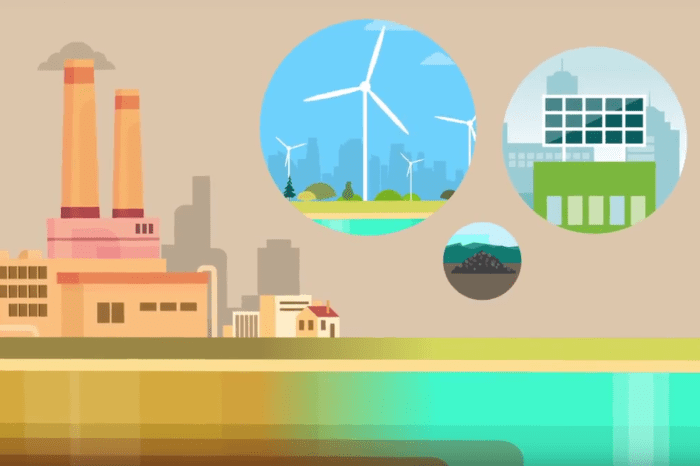
With Energy efficiency in industry taking center stage, the conversation around optimizing operations has never been more crucial. As industries strive to reduce operational costs and enhance sustainability, the push for energy-efficient practices becomes an essential focus.
Energy efficiency is not just a trend; it’s a vital strategy for modern industries aiming to lower their environmental impact while boosting profitability. From innovative technologies to effective management systems, the journey towards energy efficiency offers numerous benefits, including reduced waste and improved financial performance.
Importance of Energy Efficiency in Industry
Energy efficiency in industry is not just a buzzword; it plays a crucial role in shaping the future of manufacturing and production. By reducing operational costs, businesses can enhance their competitiveness while contributing positively to the environment. This synergy between sustainability and cost-effectiveness is what makes energy efficiency a top priority for industries globally.The significance of energy efficiency extends beyond mere financial savings.
It encompasses a profound environmental impact, as reducing energy consumption directly correlates with lower greenhouse gas emissions. Industries that adopt energy-efficient practices not only save money but also contribute to a cleaner planet. Recent statistics highlight that energy-efficient practices can reduce energy consumption by up to 30% in certain industrial sectors, showcasing the substantial benefits of these initiatives.
Methods for Enhancing Energy Efficiency
To improve energy efficiency in manufacturing processes, a variety of technologies and strategies can be employed. Implementing these methods can lead to significant improvements in energy consumption and operational performance.
- Advanced automation systems that optimize energy use during production.
- High-efficiency motors and variable frequency drives that adjust energy consumption based on demand.
- Energy-efficient lighting systems, such as LED lighting, that consume less power while maintaining visibility.
- Heat recovery systems that capture and reuse waste heat from industrial processes.
Energy audits play a critical role in identifying areas for improvement. These assessments help businesses pinpoint inefficiencies and develop targeted strategies to enhance energy performance. Best practices for energy management systems include regular monitoring of energy consumption, establishing benchmarks, and fostering a culture of continuous improvement among employees.
Regulatory Framework and Incentives
The regulatory landscape is increasingly supporting energy efficiency in industry. Governments worldwide have implemented policies aimed at promoting sustainable practices, often incentivizing businesses to adopt innovative technologies.Incentives for businesses can take various forms, including tax credits, grants, and subsidies for energy-efficient upgrades. These financial benefits make it more feasible for companies to invest in technologies that reduce energy consumption. A comparison of national and international standards reveals a growing alignment towards higher energy efficiency benchmarks, encouraging industries to strive for better performance.
Case Studies of Successful Implementation
Numerous industries have successfully implemented energy efficiency initiatives, showcasing the tangible benefits of these practices. For instance, a leading manufacturing company reduced its energy costs by 20% within two years after integrating an energy management system. Post-implementation, measurable outcomes include improved operational efficiency and significant cost savings. Innovative practices, such as adopting smart sensors and IoT technology for real-time monitoring, have been pivotal in driving energy efficiency in various sectors.
Challenges and Barriers to Implementation
Despite the advantages, several challenges hinder industries from adopting energy-efficient measures. Common barriers include high initial investment costs, lack of awareness, and resistance to change within organizations. Potential solutions to overcome these hurdles involve educating stakeholders about the long-term benefits of energy efficiency and engaging leadership to champion these initiatives. An organizational culture that values sustainability and energy conservation can greatly facilitate these efforts.
Role of Business Accounting in Energy Efficiency
Energy efficiency significantly impacts financial reporting and cost management within industries. By accurately tracking energy consumption, businesses can make informed decisions that enhance profitability.Integrating energy efficiency into business accounting practices allows for better cost management, ultimately leading to increased savings. Detailed energy tracking can help identify inefficiencies and drive continuous improvement within operational processes.
Energy Efficiency in Construction Industry
The construction industry has a unique set of challenges and opportunities when it comes to energy efficiency. Sustainable architecture and design play a critical role in reducing energy consumption in buildings. Incorporating energy-efficient materials and technologies into construction projects, such as high-performance insulation and renewable energy sources, can significantly lower a building’s energy needs. These practices not only benefit the environment but also result in long-term cost savings for building owners.
Human Resources and Energy Efficiency Initiatives
Human resources play an essential role in promoting energy efficiency awareness among employees. By fostering a culture of sustainability, HR can drive engagement and encourage staff to adopt energy conservation practices. Training programs focused on energy efficiency can equip employees with the knowledge and tools needed to contribute to energy-saving initiatives. Engaging employees in energy efficiency goals is crucial for both individual and organizational success.
Customer Service and Energy Efficiency
Energy efficiency can enhance customer satisfaction in industrial settings by demonstrating a commitment to sustainability. Transparent communication about energy-saving practices fosters trust and strengthens customer relationships.Obtaining customer feedback can also drive energy efficiency improvements. By understanding customer expectations and concerns, businesses can tailor their energy efficiency strategies to meet market demands, leading to a more sustainable operation.
Future Trends in Energy Efficiency
Emerging technologies promise to take energy efficiency to new heights. Innovations such as AI and automation are poised to revolutionize energy management in industries, making processes even more efficient.The role of innovation is paramount in shaping the future of energy-efficient practices, with continuous advancements paving the way for more sustainable industrial operations. As industries embrace these trends, the potential for enhanced energy efficiency will only grow.
Closing Notes
In conclusion, embracing energy efficiency in industry is more than a smart business move; it’s a commitment to a sustainable future. By understanding the methods, regulatory frameworks, and the importance of a proactive culture, businesses can not only thrive economically but also contribute positively to the environment.
FAQ Insights
What are the main benefits of energy efficiency in industry?
The main benefits include reduced operational costs, enhanced productivity, improved sustainability, and compliance with regulatory standards.
How can companies measure energy efficiency improvements?
Companies can measure improvements through energy audits, tracking energy consumption, and analyzing cost savings over time.
What role does employee training play in energy efficiency?
Employee training fosters awareness and engagement, encouraging staff to adopt energy-saving practices that contribute to overall efficiency goals.
Are there specific technologies that enhance energy efficiency?
Yes, technologies such as smart meters, energy management software, and advanced manufacturing equipment can significantly enhance energy efficiency.
What challenges do industries face in implementing energy-efficient practices?
Common challenges include financial constraints, lack of awareness, organizational resistance, and the need for skilled personnel to manage energy initiatives.