Change management models are essential frameworks that guide organizations through transitions, ensuring smooth transformations and minimizing resistance. These models provide structured approaches to manage, implement, and sustain changes effectively, helping teams adapt to new processes, technologies, or strategies.
In this overview, we will explore various change management models, including ADKAR, Kotter’s 8-Step Change Model, Lewin’s model, and the McKinsey 7-S Framework, discussing their principles, applications, and the unique benefits they offer in different organizational contexts.
Change Management Models Overview
Change management models are essential frameworks that guide organizations through the complexities of change. These models are built on foundational principles that emphasize the importance of structured approaches to managing transitions, whether they involve new technologies, organizational restructuring, or cultural shifts. The key components of effective change management strategies include clear communication, stakeholder engagement, and a solid understanding of the impact of change on individuals and teams.Organizations utilize various types of change management models tailored to their specific needs.
Common models include the ADKAR model, Kotter’s 8-Step Change Model, Lewin’s Change Management Model, and the McKinsey 7-S Framework. Each model offers unique perspectives and tools designed to facilitate smooth transitions and enhance organizational adaptability.
ADKAR Model
The ADKAR model consists of five key steps: Awareness, Desire, Knowledge, Ability, and Reinforcement. This model focuses on guiding individuals through the change process, ensuring that they understand the need for change and have the necessary skills to adapt. For instance, organizations like Procter & Gamble have successfully implemented the ADKAR model to foster a culture of continuous improvement and employee engagement.While the ADKAR framework offers numerous benefits, such as promoting individual accountability and clear communication, it also presents challenges.
Resistance to change can emerge, and organizations must be prepared to address these concerns proactively to ensure a successful transformation.
Kotter’s 8-Step Change Model
Kotter’s 8-Step Change Model provides a comprehensive approach to organizational change, consisting of the following steps:
- Create a sense of urgency
- Form a powerful coalition
- Create a vision for change
- Communicate the vision
- Empower others to act on the vision
- Create short-term wins
- Build on the change
- Anchor new approaches in the culture
Organizations such as IBM and General Electric have effectively applied Kotter’s model, achieving significant improvements in their operational efficiency. Compared to other change management frameworks, Kotter’s model stands out for its emphasis on creating a sense of urgency and cultivating a strong vision that aligns stakeholders toward common goals.
Lewin’s Change Management Model
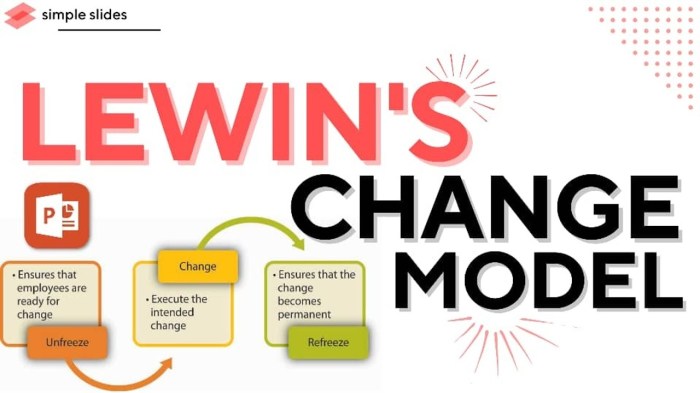
Lewin’s Change Management Model is composed of three stages: Unfreeze, Change, and Refreeze. This model emphasizes the need to prepare the organization for change, implement the necessary changes, and stabilize the organization once the change has been made. Industries that can benefit from Lewin’s model include healthcare, manufacturing, and information technology, where structured changes are often required to enhance operational efficiency.In today’s dynamic business environment, Lewin’s model remains relevant, as it provides a straightforward approach to navigating organizational change while addressing human emotions and behaviors that often accompany transitions.
McKinsey 7-S Framework
The McKinsey 7-S Framework consists of seven interdependent elements: Strategy, Structure, Systems, Shared Values, Skills, Style, and Staff. Each of these elements plays a crucial role in the success of change management initiatives. For example, a clear strategy aligned with the organization’s shared values can significantly drive change efforts.In specific scenarios, such as a company undergoing a major restructuring, the McKinsey model can help ensure that all elements are aligned and working harmoniously to facilitate successful organizational change.
Business Accounting Implications
Change management models significantly affect business accounting practices by necessitating adjustments in financial reporting and compliance. For instance, during organizational changes, financial reporting must adapt to reflect new structures or processes. Effective change management ensures that accounting practices remain compliant and accurate, thereby maintaining stakeholder trust.Furthermore, integrating change management into accounting strategies can help organizations navigate the complexities of mergers, acquisitions, or other transformative events more efficiently.
Human Resources and Change Management
The impact of change management on human resources practices is profound, as HR teams play a pivotal role in managing the human side of change. Strategies for managing employee resistance include fostering open communication, providing support, and ensuring that training opportunities are available during transitions.Effective communication and training are crucial elements that help HR facilitate smooth change initiatives, thereby enhancing employee engagement and minimizing disruption during change processes.
Change Management in the Construction Industry
The construction industry often faces unique challenges during change, including regulatory demands and project management complexities. Successful change management initiatives, such as the implementation of new technologies or methods, have been observed in companies like Bechtel, which emphasize stakeholder engagement throughout the change process to ensure buy-in and collaboration.Stakeholder engagement is essential in the construction change process, as it directly influences project success and fosters a culture of adaptability within teams.
Business Continuity and Disaster Recovery
Change management is closely tied to business continuity planning, as effective change strategies help organizations prepare for and respond to disruptions. Integrating change management into disaster recovery strategies involves establishing protocols that ensure resilience during crises.Organizations can follow a framework that includes assessing risks, developing a response plan, and regularly testing and updating their business continuity plans to enhance overall effectiveness.
Ethical Considerations in Change Management
During change initiatives, ethical dilemmas can arise, challenging organizations to balance the needs of stakeholders against potential negative impacts. Transparency and honesty play vital roles in implementing changes, as they foster trust and support among employees.Best practices for managing ethical concerns in change management processes include conducting impact assessments and engaging stakeholders in open dialogues to address potential issues proactively.
Final Wrap-Up
In summary, understanding and applying the appropriate change management models can significantly enhance an organization’s ability to navigate change successfully. By leveraging these frameworks, companies can foster a culture of adaptability, ensuring that both the workforce and stakeholders are aligned and engaged throughout the transition process.
Essential FAQs
What are change management models?
Change management models are structured approaches that guide organizations in managing transitions effectively, addressing the human side of change.
Why are change management models important?
They provide a clear framework to manage resistance, align stakeholders, and ensure the successful implementation of changes within an organization.
How can organizations choose the right change management model?
Organizations should assess their specific needs, goals, and the nature of the change to determine which model best aligns with their objectives.
Can change management models be combined?
Yes, many organizations find success in integrating elements from multiple models to create a customized approach that fits their unique situation.
What role does communication play in change management?
Effective communication is crucial in change management as it helps to clarify the purpose of changes, reduce uncertainty, and engage employees in the process.