AI in recruitment is revolutionizing the way organizations find and hire talent, making the process more efficient and insightful. As businesses increasingly rely on technology, understanding how AI can streamline recruitment is essential for staying competitive in today’s job market.
This exploration will delve into the various ways AI enhances candidate sourcing, improves hiring efficiency, and elevates the overall experience for applicants, while also addressing potential challenges and future trends within this dynamic field.
The Role of AI in Recruitment
AI has become a game-changer in the recruitment landscape, significantly streamlining processes that were once time-consuming and labor-intensive. Its ability to analyze vast amounts of data quickly enables organizations to enhance their hiring strategies effectively.
Streamlining the Recruitment Process
Artificial intelligence simplifies the recruitment process by automating repetitive tasks. Recruiters can focus on strategic aspects, such as engaging with candidates and building relationships. AI algorithms are capable of sorting through thousands of resumes swiftly, identifying the most qualified candidates based on predefined criteria.
Impact on Candidate Sourcing and Screening
AI tools have transformed candidate sourcing by using machine learning to identify potential candidates from various platforms. This method not only improves the quality of candidates but also increases the diversity of applicant pools. Screening processes are also enhanced, as AI can evaluate qualifications and experiences more efficiently than human reviewers.
Enhancing the Candidate Experience
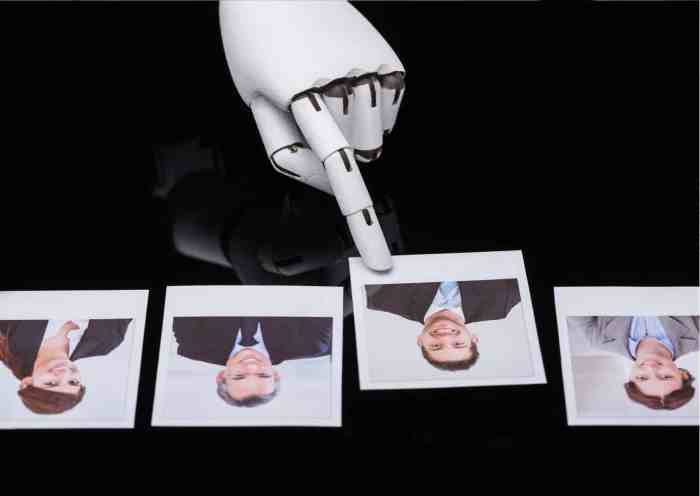
AI-driven chatbots and virtual assistants play a pivotal role in improving the candidate experience. These tools provide instant feedback and answers to common questions, making the application process smoother. Candidates appreciate timely communication, which helps maintain their interest and engagement throughout the recruitment cycle.
Advantages of AI in Recruitment
The integration of AI into recruitment processes brings numerous benefits that can significantly optimize hiring practices. These advantages not only enhance efficiency but also contribute to a more fair and equitable hiring landscape.
Reducing Hiring Biases
One of the most significant benefits of AI in recruitment is its potential to reduce biases in hiring. By relying on data-driven insights rather than subjective judgments, AI systems can help ensure a more balanced evaluation of candidates. This leads to a more diverse workforce, which can enhance innovation and company culture.
Improving Speed of the Hiring Process
AI can dramatically improve the speed of the hiring process by automating initial screening and communication tasks. This accelerates the overall timeline from job posting to candidate selection, allowing companies to fill positions more rapidly and effectively.
Cost Savings Associated with AI Recruitment Technologies
Incorporating AI technology in recruitment can lead to significant cost savings. By reducing the time spent on manual tasks and minimizing hiring errors, organizations can lower their overall recruitment costs while achieving better outcomes.
Challenges of Implementing AI in Recruitment
Despite its many advantages, the implementation of AI in recruitment is not without challenges. Organizations must navigate various obstacles to maximize the effectiveness of these technologies.
Ethical Concerns Related to AI in Hiring
Potential ethical concerns arise when using AI in recruitment, such as transparency in algorithms and the risk of perpetuating existing biases. It is essential for companies to ensure that AI systems are designed and monitored with ethical considerations in mind.
Limitations of AI in Understanding Human Emotions
AI still struggles with understanding human emotions and cultural fit, which are critical components of effective recruitment. While AI can analyze data, it lacks the nuanced understanding that human recruiters possess when assessing candidates’ interpersonal skills and cultural compatibility.
Comparing Traditional Recruitment Methods with AI-Driven Approaches
Traditional recruitment methods often rely heavily on human intuition and judgment, while AI-driven approaches emphasize data analysis and efficiency. This shift can be challenging for organizations accustomed to conventional practices, requiring a period of adjustment and training.
Future Trends of AI in Recruitment
The future of AI in recruitment looks promising, with emerging technologies poised to further influence talent acquisition strategies. As AI continues to evolve, organizations must stay informed about the latest trends.
Emerging AI Technologies in Recruitment
Innovations such as predictive analytics and natural language processing are set to revolutionize the recruitment landscape. These technologies can enhance talent matching and improve the quality of hires by providing deeper insights into candidates’ capabilities.
Evolving Role of AI in Talent Acquisition
As AI becomes more integrated into recruitment practices, its role will likely expand to include advanced analytics and decision-making support. This evolution will enable recruiters to make more informed choices and align hiring strategies with overall business objectives.
Adapting to Changing Workforce Demographics
AI can help organizations adapt to changing workforce demographics by analyzing trends and preferences among diverse candidate groups. This adaptability will be crucial for companies seeking to attract and retain top talent in an increasingly competitive job market.
Integration of AI with Other Business Functions
AI’s integration into recruitment goes beyond hiring; it can positively impact various business functions, enhancing overall organizational efficiency.
Enhancing Business Accounting Practices
AI in recruitment can streamline accounting practices by providing insights into hiring costs and budget allocation. This data can assist financial teams in making informed decisions regarding workforce investments.
Connection Between AI-Driven Talent Acquisition and Business Advertising Strategies
AI-driven recruitment strategies can inform and enhance business advertising strategies by identifying the skills and attributes needed for specific roles. This alignment ensures that recruitment efforts are closely tied to broader marketing and branding initiatives.
Supporting HR Functions in Payroll Management
AI tools can simplify payroll management by integrating recruitment data with compensation structures. This connection ensures that new hires are compensated accurately and in a timely manner, promoting employee satisfaction and retention.
Industry-Specific Applications of AI in Recruitment
The use of AI in recruitment varies across industries, with each sector leveraging technology to address specific hiring challenges and opportunities.
AI in Recruitment within the Construction Industry
In the construction industry, AI is utilized to match candidates with specialized skills to relevant projects. This targeted approach helps ensure that the right talent is available when needed, improving project outcomes.
Impact on Recruitment Strategies in the Agricultural Sector
The agricultural sector has begun using AI to streamline recruitment for seasonal workers. By predicting demand and matching candidates to roles based on skill sets, AI enhances the efficiency of the hiring process in this often-challenging field.
Reshaping Recruitment in Architecture and Interior Design
AI is reshaping recruitment in the fields of architecture and interior design by enabling firms to assess portfolios and design skills more effectively. This technology aids in identifying candidates whose creative visions align with the firm’s projects and culture.
Best Practices for Utilizing AI in Recruitment
To maximize the benefits of AI in recruitment, organizations should adhere to best practices that ensure effective implementation and utilization of these technologies.
Checklist for Implementing AI Solutions
Before integrating AI into the recruitment process, companies should consider the following checklist:
- Define clear objectives for AI usage.
- Assess current recruitment workflows to identify automation opportunities.
- Select suitable AI tools that align with organizational needs.
- Train HR teams on AI technologies and their applications.
- Implement monitoring systems to evaluate AI performance.
Examples of Successful AI Integration
Several sectors have successfully integrated AI into their recruitment processes. For instance, tech companies are using AI to screen applicants efficiently, while retail firms leverage AI for seasonal hiring to meet fluctuating demands.
Measuring the Effectiveness of AI Recruitment Tools
Evaluating AI recruitment tools’ effectiveness involves tracking key performance indicators (KPIs) such as time-to-hire, quality of hire, and candidate satisfaction. Regular assessment ensures that AI technologies are delivering the desired outcomes and facilitates continuous improvement.
Case Studies on AI in Recruitment
Real-world examples provide valuable insights into the effectiveness of AI in recruitment, showcasing both successes and lessons learned.
Companies Successfully Using AI in Recruitment
Leading companies like Unilever have pioneered AI-driven recruitment processes, utilizing automated video interviews and assessments to streamline candidate evaluation. This approach has led to significant improvements in hiring speed and candidate experience.
Lessons Learned from Failed AI Recruitment Initiatives
Some organizations have encountered challenges with AI recruitment tools, leading to a reevaluation of their strategies. Failures often stem from insufficient data quality or a lack of transparency, underscoring the importance of a thoughtful implementation approach.
Innovative AI Recruitment Startups
Numerous startups are making waves in the AI recruitment space, such as HireVue and Pymetrics. These companies focus on enhancing the recruitment process through AI-driven assessments and data analytics, contributing to the industry’s evolution.
The Role of Human Resources in AI Recruitment
HR professionals play a crucial role in integrating AI technologies into recruitment practices, ensuring that both technology and human intuition work in harmony.
Collaboration Between HR and AI Technologies
HR teams must collaborate closely with AI tools to leverage data effectively while maintaining a human touch in the recruitment process. This collaboration fosters an environment where technology enhances, rather than replaces, human efforts.
Training HR Personnel for AI Tools
It is vital for HR personnel to receive training on AI tools and their applications. This training equips them with the skills necessary to work alongside AI technologies, maximizing their potential and effectiveness in recruitment.
Skills Necessary for HR Teams in an AI-Driven Environment
HR teams operating in an AI-driven environment should cultivate skills such as data analysis, technology management, and a deep understanding of AI ethics. These competencies will enable HR professionals to thrive in a landscape increasingly influenced by technology.
Ethical Considerations of AI in Recruitment
The use of AI in recruitment raises important ethical considerations that organizations must address to maintain fairness and accountability.
Importance of Transparency in AI Recruitment Algorithms
Ensuring transparency in AI algorithms is crucial for fostering trust in recruitment processes. Organizations should openly communicate how AI systems make decisions to reassure candidates and stakeholders.
Need for Regulatory Frameworks
The absence of regulatory frameworks governing AI use in hiring presents challenges. Establishing guidelines can help mitigate risks and ensure ethical practices in AI-driven recruitment.
Strategies for Fairness and Accountability
Organizations should implement strategies that promote fairness and accountability in AI recruitment processes. Regular audits, diverse development teams, and bias mitigation techniques can help maintain ethical standards in hiring.
Ending Remarks
In conclusion, the integration of AI in recruitment presents a transformative opportunity for organizations to refine their hiring processes, reduce biases, and ultimately build stronger teams. As the landscape continues to evolve, staying informed about best practices and ethical considerations will be vital for successful implementation.
Expert Answers
What are the main benefits of using AI in recruitment?
AI enhances efficiency, reduces biases, and improves candidate experience in the hiring process.
Can AI completely replace human recruiters?
No, AI tools are designed to assist human recruiters, not replace them; the human element remains crucial.
How does AI handle biases in recruitment?
AI can help identify and mitigate unconscious biases by analyzing data and ensuring standardized screening processes.
What skills do HR professionals need to work with AI?
HR professionals need data literacy, a basic understanding of AI technologies, and the ability to interpret AI-driven insights.
How can companies measure the success of AI in recruitment?
Success can be measured through metrics like time-to-hire, candidate satisfaction, and quality of hire improvements.